
Upsets, Fitness, and Tactics
Joshua M. Smith, MSc.
The 2026 FIFA World Cup, hosted across the expansive and geographically diverse terrains of the United States, Mexico, and Canada, fundamentally redefined the boundaries of international soccer. As the very first edition to feature a sprawling 48-team format, the tournament presented an unprecedented logistical, tactical, and physiological puzzle to every participating nation. For over a month, spanning from June 11 to July 19, the world’s elite footballing nations were subjected to a grueling marathon of travel, severe micro-climates, and extreme physical exertion. Beyond the mesmerizing spectacle of the matches and the roaring crowds, this World Cup became the ultimate proving ground for sports science, testing the absolute limits of human endurance, biomechanical durability, and overarching squad depth. From the opening group stage matches to the dramatic final whistle at the New York Stadium, the tournament proved decisively that pure athletic talent was no longer sufficient for global supremacy. Instead, success was dictated by the meticulous, scientific application of training load management, advanced recovery protocols, and deep structural discipline.
In the modern game, the margins between victory and defeat have become microscopically thin. The integration of high-performance analytics, localized injury prevention programs, and psychological resilience training has shifted the paradigm of how elite players are prepared for major tournaments. In the end, it was Spain who emerged victorious from this North American gauntlet, capturing their second World Cup title by defeating Argentina 1-0 in a tense, extra-time final. However, the journey to that historic, crowning moment was paved with staggering upsets, physical hurdles, and an evolution in modern footballing philosophy that left numerous traditional powerhouses completely decimated by the wayside.
The Tournament And It’s Challenges
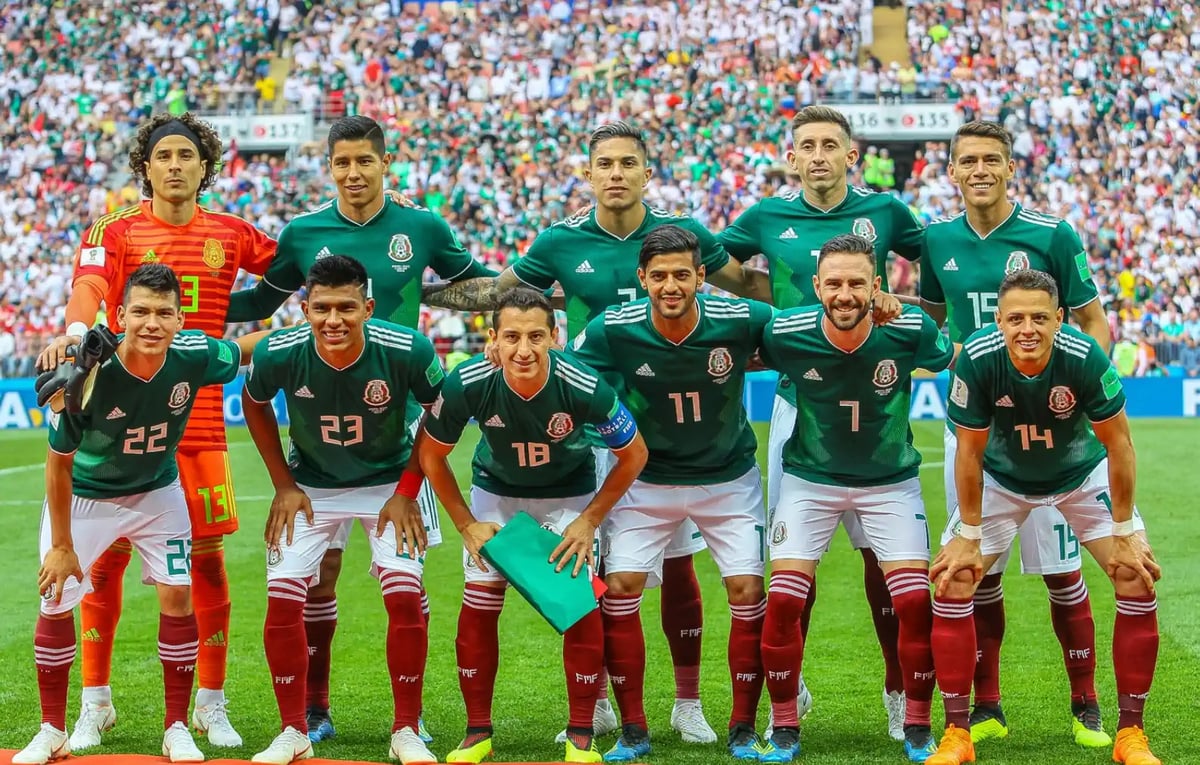
From the outset, the newly expanded format meant that teams had to successfully navigate a heavily congested schedule, featuring a newly introduced Round of 32. This structural change added an extra, deeply unforgiving layer of physical and cognitive fatigue to the knockout trajectory. The sheer geographical spread of the host cities required national teams to log thousands of air miles over the course of the month, rapidly transitioning between drastically varied environments. Players were forced to adapt to the hypoxic, oxygen-deprived high altitudes of Mexico City and Monterrey, the suffocating, heavy humidity of Miami, and the dry, searing heat of Texas.
This severe environmental volatility forced technical staff to fundamentally rethink their daily operations. Coaches had to actively prioritize rapid physiological recovery over traditional, on-pitch training sessions. During the group stages, elite teams completely abandoned heavy grass sessions in favor of tactical walkthroughs and aggressive biological monitoring. Sports science departments essentially became the unsung heroes and primary match-winners of the tournament. Medical staffs relied extensively on wearable GPS technology to monitor daily training loads, utilized salivary cortisol testing to track physiological stress, and implemented strict sleep hygiene protocols to manage circadian rhythm disruption caused by crossing multiple time zones. They deployed cryotherapy, hyperbaric oxygen chambers, targeted compression therapy, and heavily periodized nutritional reloading to actively combat the dangerous accumulation of blood lactate and systemic inflammation. The physical toll was immense, and the Round of 32 provided the first major, undeniable test of this overarching biological resilience.
Teams that failed to properly manage their cardiovascular drift in these varied climates were quickly and ruthlessly punished. Traditional footballing powers were pushed to their physical breaking points, while highly organized, pragmatic underdogs quickly capitalized on their opponents’ heavy legs and cognitive lapses. Switzerland, for instance, executed a masterclass in localized exertion and defensive discipline, completely shutting down Algeria in a 2-0 victory. Meanwhile, Morocco continued to showcase their elite defensive solidity and rapid transitional threat, battling to a 1-1 draw against a heavily favored Netherlands squad before advancing 3-2 in a dramatic penalty shootout. These intense knockout fixtures highlighted the exponentially growing importance of sports psychology within the game; surviving a high-stakes penalty shootout after 120 minutes of exhausting football requires elite mental conditioning, supreme focus, and unparalleled self-efficacy under extreme, global stress.
As the tournament progressed into the Round of 16, it delivered some of the most shocking upsets and physically taxing encounters in recent World Cup history. The most monumental shockwaves of the tournament were felt when a highly disciplined Norway side stunned five-time champions Brazil with a clinical 2-1 victory. The Norwegians utilized a heavily entrenched, horizontally compact low block, expertly conserving their kinetic energy and forcing the Brazilians into endless lateral passes that steadily drained their muscular glycogen stores. Once possession was won, Norway struck with devastating precision. In another stunning result, Morocco ruthlessly exposed a severely exhausted Canadian squad, dismantling the co-hosts 3-0 to secure their quarterfinal berth.
Additionally, England endured a terrifying biological and psychological ordeal against co-hosts Mexico. Despite going down to ten men for a significant portion of the match in the thin, unforgiving air of the Estadio Azteca, the Three Lions displayed incredible structural stoicism and resilience to edge out a thrilling 3-2 victory. The sheer willpower required to continuously sprint and defend in a hypoxic state left the English squad completely depleted, heavily impacting their recovery cycle moving forward.
As the tournament relentlessly narrowed to the quarterfinals, the surviving nations were operating entirely on accumulated fatigue, adrenaline, and minor fascial tears. The tactical boards were set for clashes where pragmatic periodization met world-class talent. Spain continued their relentless, vertical possession game, exhausting Belgium with rapid, mathematically precise ball circulation to secure a 2-1 victory in Inglewood, California. France, operating as the ultimate apex predator of fast-twitch transitional football, dispatched Morocco 2-0, relying heavily on the explosive, anaerobic speed reserves of Michael Olise, Ousmane Dembélé, and Kylian Mbappé to punish spatial miscalculations. England, miraculously managing the heavy physiological tax from their previous round, outlasted Norway 2-1 in Miami. In the most grueling quarterfinal of all, defending champions Argentina were pushed to the absolute brink by Switzerland; after a tense, cagey 90 minutes, Argentina relied on their deep, champion-level energy reserves to score twice in extra time, sealing a 3-1 win. At this precise, breathtaking juncture of the competition, history was officially set to be made in the final stages.
The highly anticipated semifinals elevated the tactical warfare to unprecedented heights. In Dallas, Spain’s modernized, highly aggressive possession completely suffocated Didier Deschamps’ France. Operating with a dangerously high defensive line, Spain confidently controlled the spatial geometry of the pitch and ruthlessly denied the French attackers the open, transitional avenues they required to operate, marching into the final with a clinical, dominant 2-0 victory.
The second semifinal in Atlanta presented a vastly different, deeply emotional narrative, reviving a deeply entrenched, historically combative rivalry between Argentina and England. England initially seized the advantage in the 55th minute through Anthony Gordon, who perfectly finished a pinpoint cross from Morgan Rogers at the back post. However, the severe physical toll of their arduous knockout run finally caught up with them in the brutal Georgia humidity. As England’s defensive block tired and their cardiovascular systems drifted, Argentina’s relentless pressure fractured their lines. Enzo Fernández unleashed a brilliant, unstoppable strike from outside the box in the 85th minute to equalize the game. Then, deep into stoppage time (90+2′), heartbreak struck for the Three Lions. Lautaro Martínez stole perfectly between the English center-backs to head home the dramatic 2-1 winner, brilliantly assisted by Lionel Messi. England would later secure third place in a chaotic, heavily rotated 6-4 shootout victory against France.
The grand finale on July 19, 2026, at the New York New Jersey Stadium, served as an absolute masterclass in tension, endurance, and elite defensive organization. Spain and Argentina, the two undisputed heavyweights of the tournament, collided in a match where every single maximal-velocity sprint, tackle, and tactical shift was meticulously calculated. Spain dominated the lion’s share of possession, relying heavily on the central orchestration of their midfield pivot to continuously stretch the Argentine defense side-to-side, aiming to induce cognitive fatigue. Conversely, Argentina willingly absorbed the pressure into a rigid block, looking to spring Lionel Messi and Lautaro Martínez into open space on the counter-attack.
Despite numerous offensive thrusts and brilliant tactical adjustments from both sides over the initial 90 minutes, the match remained deadlocked in a scoreless tie, violently pushing the players into another exhausting 30 minutes of extra time. It was during these vital extra-time intervals that the true value of sports science came to the forefront. Medical staffs flooded the pitch, deploying customized electrolyte solutions, rapid-absorption carbohydrate gels, and localized massage therapy to delay the onset of severe cramping and muscular failure.
The sports science preparation and deep squad rotation of the Spanish squad ultimately paid massive, historic dividends. Even after navigating six grueling matches and thousands of miles of travel, Spain managed to maintain a slightly higher degree of cardiovascular fitness, muscular endurance, and fine-motor control under massive duress. In the 106th minute, Nico Williams exploited a momentary, fatigue-induced lapse in Argentina’s defensive structure, delivering a precise, defense-splitting pass to substitute Ferran Torres. Torres executed a flawless, clinical first-time finish, hammering the ball past Emiliano Martínez to break the suffocating deadlock.
Martínez, despite the agonizing defeat, produced a truly heroic, record-breaking performance between the posts, registering an incredible 10 saves, the most ever recorded by a goalkeeper in a Men’s FIFA World Cup final. Argentina frantically pushed for a late equalizer, throwing every remaining ounce of energy forward, but Spain’s defensive unit displayed supreme cognitive composure and spatial awareness. They expertly cleared their lines, securing their seventh clean sheet of the tournament and cementing a legendary 1-0 victory. The final whistle signaled not just a monumental victory for Spanish football, but a definitive triumph of modern sports science, strategic squad rotation, and tactical evolution over the most grueling, physically demanding format the sport has ever witnessed.
Conclusion
The 2026 FIFA World Cup will undoubtedly be remembered as a profound watershed moment in the continuous evolution of international soccer. Expanding the prestigious tournament to 48 teams permanently altered the biological, psychological, and logistical demands placed upon the athletes, effectively transforming the traditional competition into a ruthless, month-long war of attrition. For national federations, the primary takeaway from the North American gauntlet is unequivocally clear: sports science, proactive injury prevention, and deep tactical periodization are no longer supplementary, optional elements of squad management; they are the absolute, non-negotiable foundational pillars of success at the elite level. The teams that stubbornly failed to adapt to the environmental variables, or neglected their long-term training load management, were quickly exposed and unceremoniously eliminated.
Spain’s glorious ascension to the absolute pinnacle of world football was a resounding testament to their flawless execution of a unified, systemic philosophy. By intelligently marrying their traditional, possession-heavy identity with modern verticality, aggressive counter-pressing, and elite physiological conditioning, they systematically suffocated their opponents and completely mitigated their own defensive vulnerabilities. Their historic 1-0 extra-time victory over a fiercely resilient Argentina in the final was the ultimate culmination of meticulous scientific preparation, unwavering mental resilience, and superior cardiovascular endurance when it mattered most.
As the global football community reflects on this extraordinary, continent-spanning event, the profound legacy of the 2026 World Cup will continue to shape coaching methodologies, medical protocols, and tactical blueprints for generations to come. Aspiring coaches, performance analysts, and sports scientists will study this tournament as the definitive blueprint for managing extreme loads and maximizing human output under immense pressure. The beautiful game has officially entered a new epoch, one where the brilliant fusion of tactical geometry and high-performance biology dictates who ultimately lifts the most coveted trophy in world sports.
Did you enjoy this article?
Thanks for your feedback!